
B2B Traffic but Few Inquiries? Diagnose the Conversion Path
Find where relevant visitors stop before changing a B2B website. Check search intent, page content, trust evidence and inquiry friction against real journeys. Benchmarks and correlations do not establish the cause on your site.
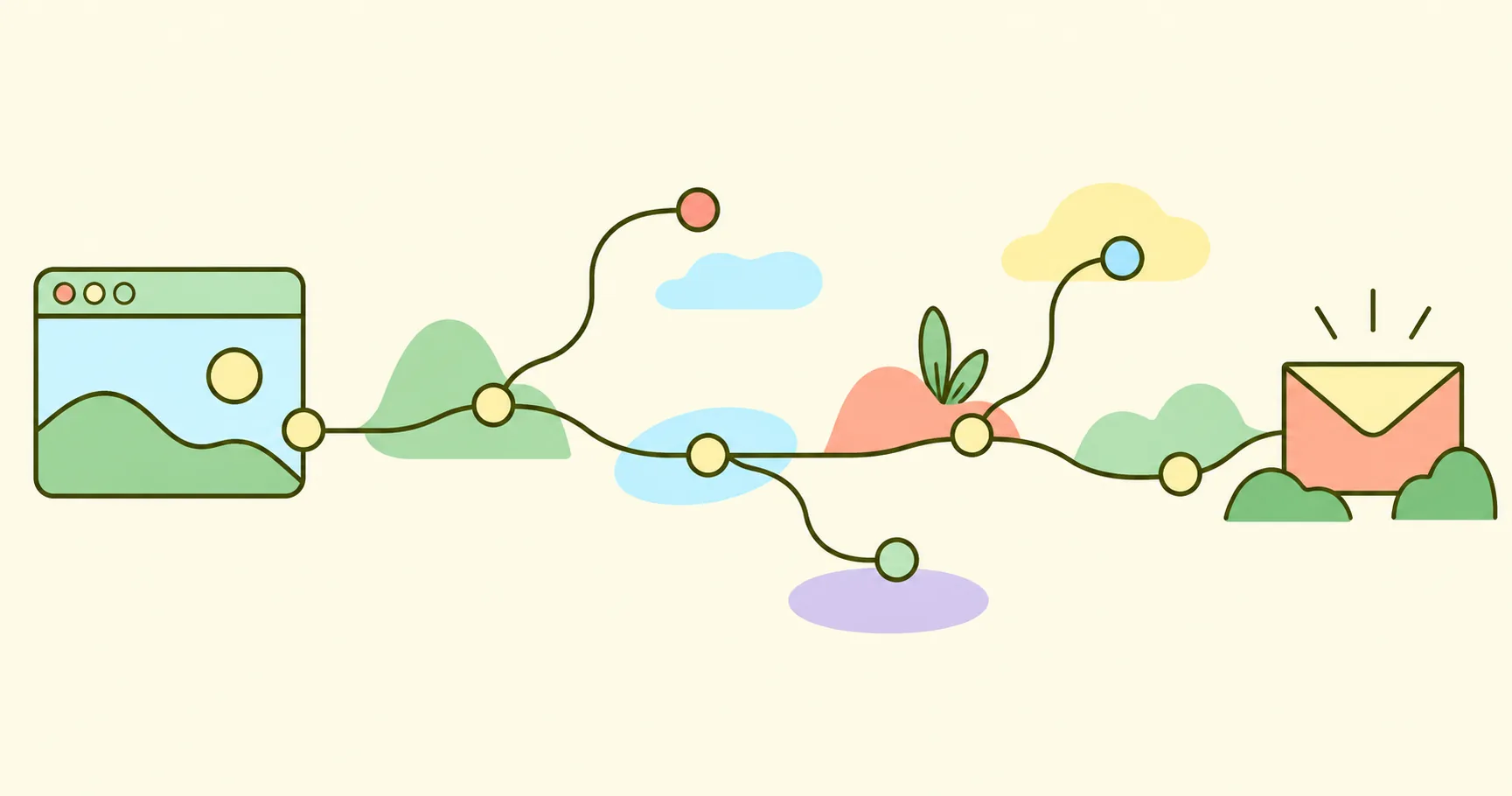
The number of visits exists, why haven’t customers come to inquire?
When customers enter the website, it does not mean that they have seen answers to questions that are suitable for their purchases. If the demand attracted by search or promotion is inconsistent with the product, capability or case page, the visitor may leave after reading the beginning; even if the page is relevant, the lack of verifiable basis will make the contact decision stop at the hesitant stage.
For manufacturing and trading companies, purchasing personnel may need to first determine whether the company can handle the demand before deciding whether to provide project information. If the page only introduces the company's advantages but does not connect relevant capabilities, applicable situations and real evidence, customers still need to find answers on their own. This explains a possible path for low inquiries. The specific location of the loss needs to be checked with the records of this website.
Typical manifestations include a source that continues to bring visits but seldom touches on purchase-related content, product pages that are read but lack follow-up actions, and contact portals that are clicked but do not receive messages. These phenomena point to different problems; looking at the total number of visits alone, they will be mixed together.
Check along the customer path to first confirm whether the data can explain the problem
Effective access means that target visitors enter a page that matches their needs and have the opportunity to continue to learn about capabilities, verify evidence, or initiate contact. It does not require that every visit generates an inquiry, nor can it be determined solely by residence time. Behavior needs to be understood back into the context of the client's tasks.
First group by source and landing page, and then observe the destination, exit and contact actions. Exit may also mean that the customer has found the answer, and clicking on the contact information may not actually send the demand; therefore, it is necessary to compare the website behavior with the inquiry records received by the company to avoid taking intermediate actions as effective clues before closing the transaction.
- Source: Look at available search requests or promotion promises to identify whether visitors are looking for vendors, solving technical problems, or looking for non-business-related content.
- Landing page: Read from where the customer actually enters, and check whether the promise made at the entrance is fulfilled at the beginning, rather than relying on the visitor to jump back to the homepage to search again.
- Key content: Track whether relevant capability descriptions, scope of application and case data can be found, and distinguish between missing content and difficult to find entrances.
- Evidence of trust: Open the qualifications and case basis mentioned on the page and check whether they are true, applicable and verifiable. Vague slogans cannot replace proof.
- Contact action: Complete the submission or contact path according to the device used by the customer, observe the fields, prompts and abnormal status, and verify that the message has indeed reached the receiving end.
- Inquiry results: Judge the value based on whether the demand is relevant and whether the information can support subsequent communication and processing records. Do not equate all messages with valid inquiries.

The earliest obvious loss, decide where to change first
By looking at similar landing pages from the same source together, it is easier to distinguish between traffic problems and content problems. If the entrance attracts irrelevant needs, it will be difficult to remedy even if the follow-up form goes smoothly; if the visitor has already read the relevant content and tried to contact you, it is better to prioritize submission obstacles that are closer to the current evidence.
The conditions in the priority table are used to locate the modification direction, not the confirmed root cause. When multiple doubts arise, deal with the earliest obstacle encountered by the customer and with the clearest evidence first, and keep observation records of subsequent links to avoid being unable to interpret the results after the entire site is modified at the same time.
| observable conditions | Priority action | What evidence would change the judgment? |
|---|---|---|
| The entry requirements are obviously inconsistent with the page theme | Tighten promotion commitments or adjust target pages so that customers can find corresponding content after entering | If the relevant visitor also leaves at the same location, you should continue to check the page itself. |
| Visitor needs relevant, but procurement concerns unanswered | Supplement existing capability information and applicable boundaries, and place relevant information where customers need it | If there is still no follow-up reading after the answers are complete, you should check the discoverability and trust basis. |
| The ability content is read, but the certification materials are difficult to verify. | Improve the verification clues of real qualifications and cases, and explain the connection between evidence and current needs | If the customer is willing to contact but cannot complete the submission, turn to the contact path |
| There is action at the contact portal, but the message has not arrived. | Reproduce form, contact information and reception failures, and remove unnecessary submission resistance | Statistical omissions or demand quality should be checked when the message has actually been received |
Let customers judge whether they can cooperate, and then make contact easier
Page promises must match actual delivery capabilities. Use existing information to give understandable explanations of the uses, demand conditions, and capabilities that customers are concerned about; cases can help understand the undertaking experience, but similar cases do not automatically prove that the current project is suitable. Putting verifiable evidence next to the corresponding judgment makes it easier for customers to make decisions than stacking honors or general advantages.
When reviewing the form, ask each item whether the information is necessary for the first communication. Requiring information that the customer is not ready for may stop the sending action; content that can be added later should be left to the communication stage. Actual testing should also cover whether prompts are clear, whether data is retained after failure, and whether submissions are received by the company.
Adding pop-ups may not solve content problems, but may block the information you are reading. Only when it is observed that the contact portal is difficult to find, is there any reason to adjust the portal presentation; after modification, it is still necessary to check whether reading and sending are affected.
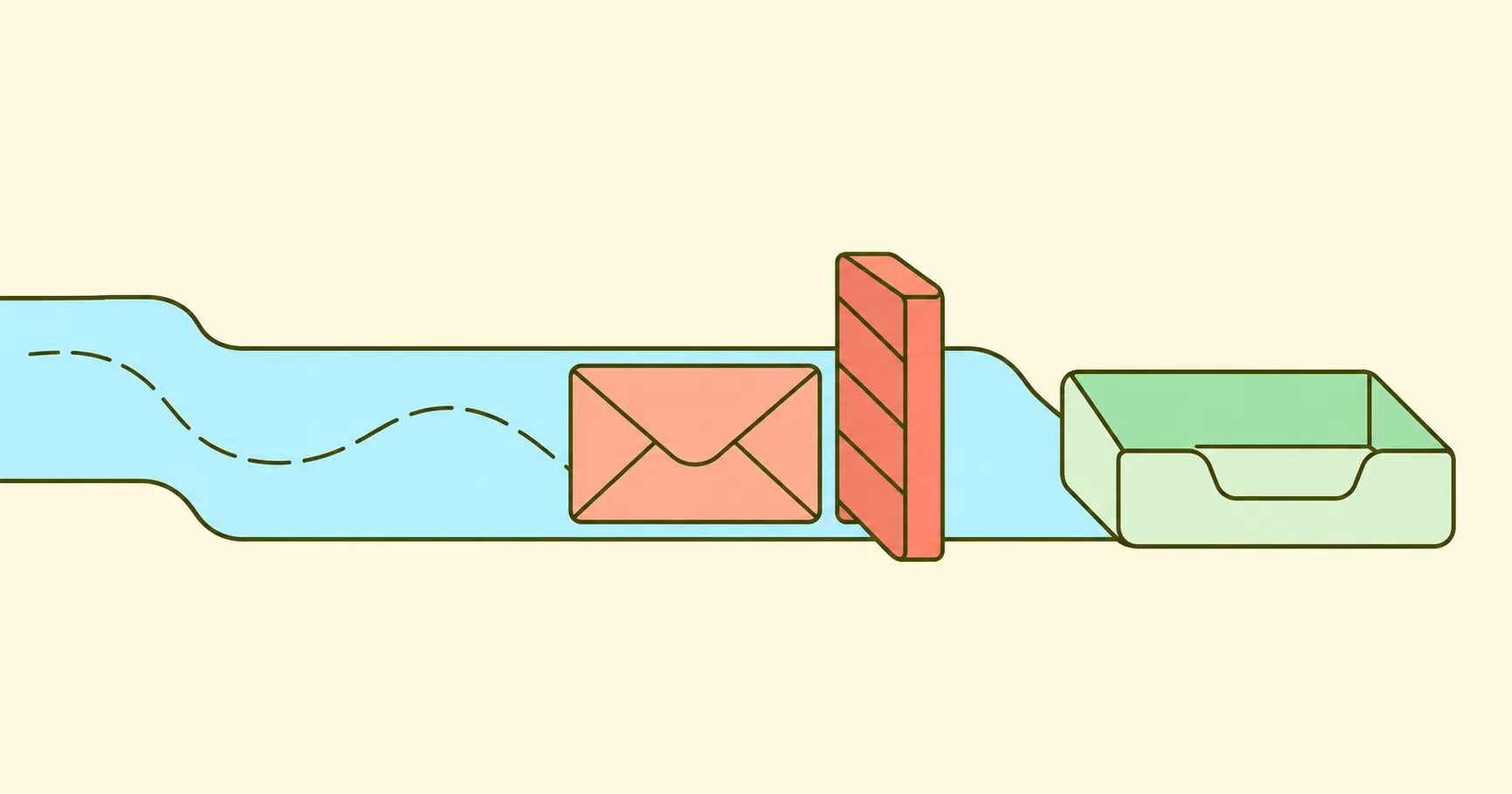
Test fixes with comparable observations to avoid mistaking changes for effects
After selecting the doubtful points, adjust the corresponding pages or paths in a small range and write down in advance the behavioral changes you hope to see. For example, after correcting the entrance commitment, pay attention to whether the relevant content is continued to be read; after repairing the submission failure, check whether the real message can be reached. Verification goals should respond to problem locations, rather than requiring a uniform increase in total visits.
When comparing, try to keep the traffic source, visitor purpose, statistical definition and reception method comparable. If the promotion, pages, and processing methods all change during the same period, it will be difficult to attribute the increase or decrease in inquiries to a certain modification; you can reduce the scope of the test or record the interfering factors, and then decide whether to expand the changes.
Observations should cover the actual needs and processing rhythm encountered by the enterprise. If the records are insufficient, the observations should be extended or the hidden points should be filled up. Unified cycle and conversion rate standards should not be applied. If the expected action does not improve, go back to adjacent links to find omissions; if the action improves but the demand is not relevant, continue to test the source intent instead of immediately increasing the budget.
After the information and paths are smooth, then evaluate automation and AI reception
Automation or AI reception has a clear place to be used when customers are able to find the information they need but repeatedly wait at information transfers, FAQs or contact points. They can assist in answering verified questions, collecting requirements and handing them off to personnel, provided the answer basis is maintainable and the handoff path is available.
If the main problem is still that the entrance is irrelevant or there is insufficient evidence of ability, reception tools cannot replace content and trust building. During the trial, pay attention to whether the answers are accurate, whether difficult requests can be transferred to personnel, and whether the information received is helpful for subsequent communication; if there are incorrect answers or handovers are lost, these links should be repaired first.
Prepare recent source and landing page records, procurement-related pages, verifiable evidence, contact testing processes and real inquiry samples, and remove sensitive information from them. Based on this information, you can distinguish whether you should adjust the customer acquisition direction, complete the page answers, repair the submission path, or try out the reception tools, so that the next step of investment will fall on the obstacles with evidence.
Common Problems
How Do You Credit a Website for Direct Email Inquiries?
Supplement the communication with understanding of where the customer first learned about the company, what materials they have read, and cross-check with records available on the website. The request for contact through off-site channels after browsing may not be recorded by web page events; when the source information is missing, it should be kept unknown and should not be forcibly assigned to a certain channel.
Do Repeat Visits Always Indicate Valuable Traffic?
Return visits may mean ongoing evaluation or it may be a repeated search for unresolved information. A more useful judgment is whether the reading is advancing towards procurement-related information, and whether subsequent needs match the business. The number of return visits alone is not enough to support increased marketing investment.
When there are very few inquiry samples, what should you do first to avoid misjudgment?
First verify record integrity and path availability, and locate obvious obstacles that can be reproduced. When the sample is insufficient to compare effects, keep a record of the changes and continue to observe; do not use a small amount of news fluctuations to announce that a certain channel is effective or that a certain revision has failed.
How should AI reception handle procurement questions that it cannot answer?
Keep the customer's original question, explain that someone needs to verify it, and provide a realistic and usable handover method. Being able to do this reliably is more critical than being able to consistently generate answers; tools should not be left to fend off capabilities, qualifications, or project commitments.